
“Like a thief in the night” is an idiom used for thousands of years, originating from the Bible. 1 Thessalonians 5:2 states, “the Day of the Lord will come like a thief in the night.” Like many authors and songwriters, I will use this idiom to describe what I have experienced with my son. Mental Illness is like a thief in the night, unexpectedly robbing many of their abilities, skills, and life ambitions.
As parents, we can be known to exaggerate our children’s abilities. It is no exaggeration, however, that my oldest son, Aaron, was a talented artist. At the young age of three, he was drawing cartoons like a professional cartoonist. He could reproduce well-known cartoon figures like the Mario Brothers characters. It was a gift! His drawings would start as a few lines and swoops, and suddenly, a perfectly drawn Mario, Koopa Troopa, Bowser, or Daisy would materialize on his sketch pad. As Aaron grew older, his artistic skills matured, and he won awards because of them. As a teenager, he especially liked to draw pretty girls and baseball players.
Shortly before Aaron showed mental illness symptoms, we noticed his drawing skills getting worse. After over 25 years of severe schizophrenia, Aaron can barely draw anymore. To show how much schizophrenia has affected his drawing, look at these pictures. Aaron drew the picture on the left a year before his symptoms appeared; he drew the middle picture several years ago, and he drew the picture on the right in the last couple of years. Aaron hasn’t drawn in months. His illness has not only robbed him of his ability to draw but also his ability to write, read, and sometimes even remember what day it is.
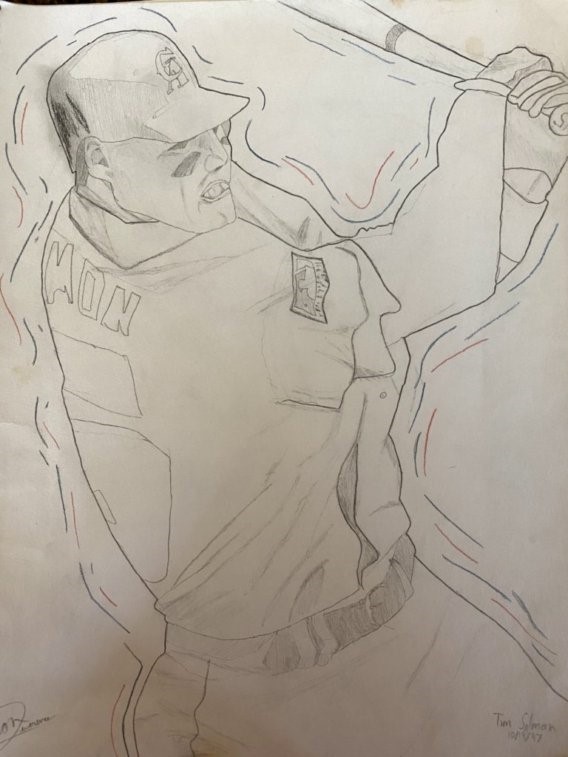
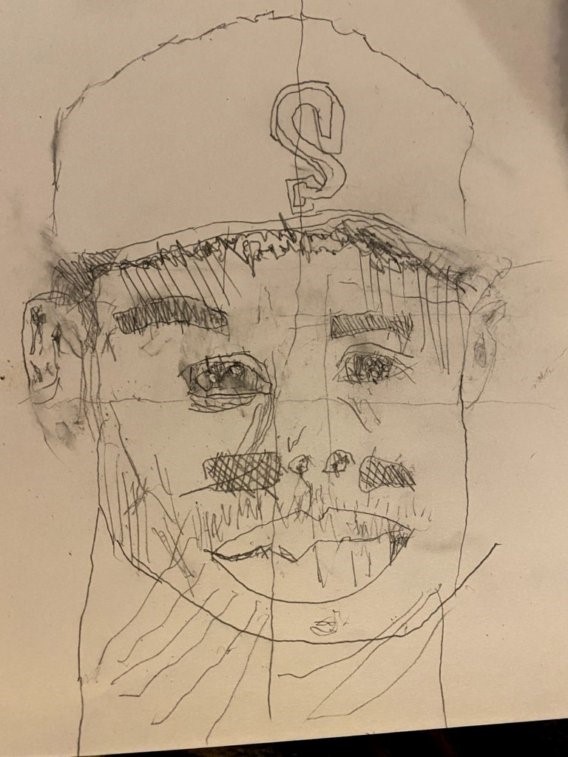
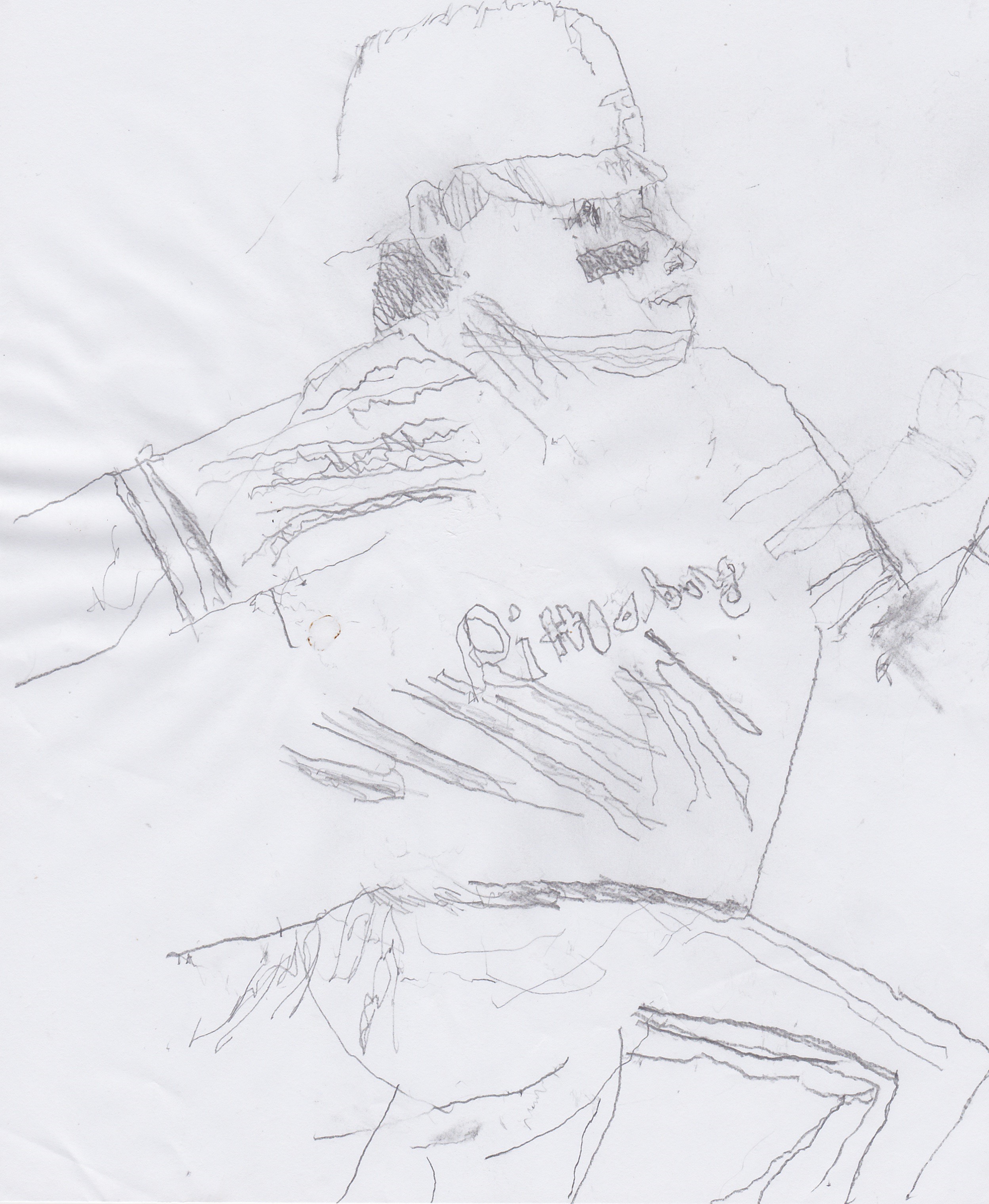
While Aaron is affected more than anyone by what he’s lost because of schizophrenia, we’re all affected indirectly. Aaron was on a trajectory to becoming a very productive member of society. He was above average intellectually, and when he was 13 years old, he enjoyed programming computer games. Now, instead of contributing to our society as a software engineer for a computer gaming company, he is one of more than 12,000 people under 65 receiving Social Security Disability benefits. Aaron wants to work, but schizophrenia has robbed him of this privilege.
Mental illness does not impact everyone as significantly as it does Aaron, but about 20% of all U.S. adults, regardless of gender, race, age, or socio-economic background, suffer from a mental health disorder. The impact on the economy is staggering. A report commissioned by the American Heart Association CEO Roundtable identifies an annual cost of $210 billion to the American economy due to depression alone. Because so many mental health disorders go unreported, this cost is undoubtedly far greater than identified.
With staggering costs to the economy and so many affected by mental illness, it’s surprising how little the federal government invests in Mental Health Research. While the budget for the National Institute of Mental Health (NIMH) rose to $2.14B in 2022, it’s still a fraction of the $6.9B allocated to the National Cancer Institute (NCI) during the same time. More attention and resources ought to be applied to preventing and managing mental illness in the United States from both the public and private sectors.
Minimizing the impact of mental illness on individuals, families, and the nation is something I believe most agree is very important. We need to unite as a nation to provide mental health care for everyone in our communities so we don’t lose anyone to this “thief in the night”, mental illness.
Discover more from Raising Healthy Minds
Subscribe to get the latest posts sent to your email.

 Raising Healthy Minds